Quantum Coherence in Microtubule Lattices
TEST - will be overwritten --- ## 📚 Supporting Research **"Atomic water channel controlling remarkable properties of a single brain microtubule: Correlating single protein to its supramolecular...
Browse articles in this category
TEST - will be overwritten --- ## 📚 Supporting Research **"Atomic water channel controlling remarkable properties of a single brain microtubule: Correlating single protein to its supramolecular...
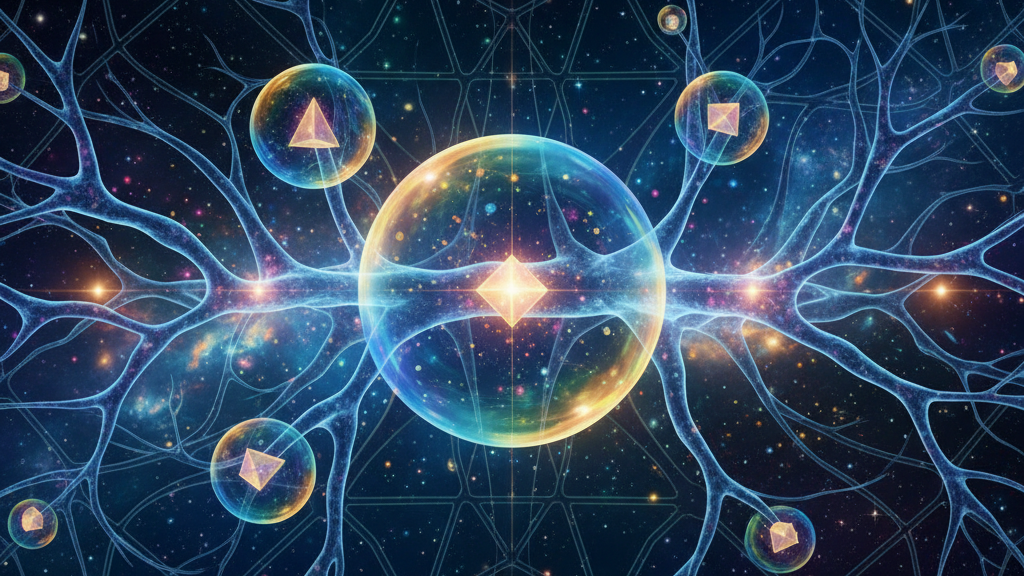
Roger Penrose and Stuart Hameroff's Orch-OR theory proposes that consciousness arises from quantum-state collapses inside the microtubules of neurons — making subjective experience a fundamental feature of physics, not an emergent property of computation.
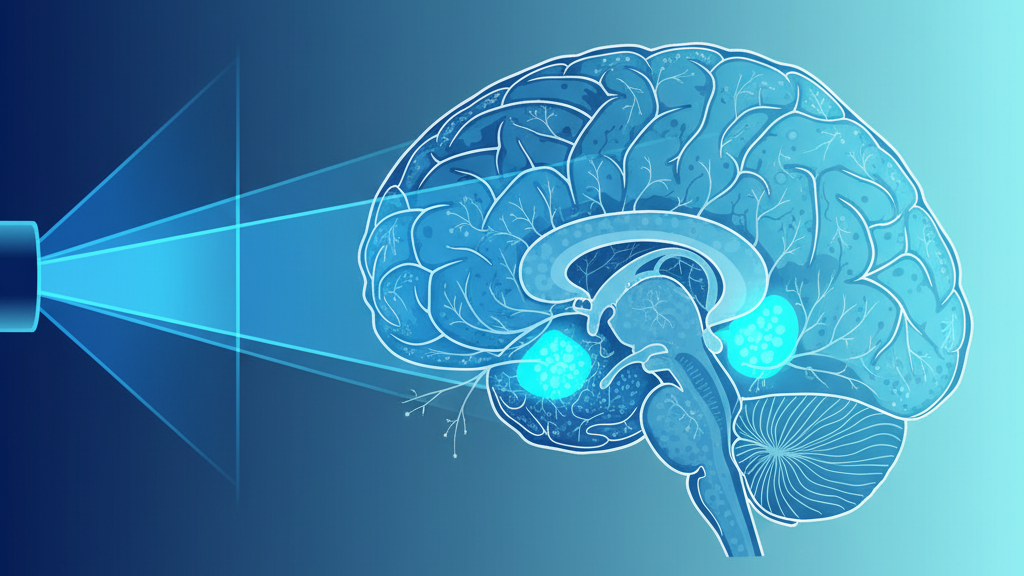
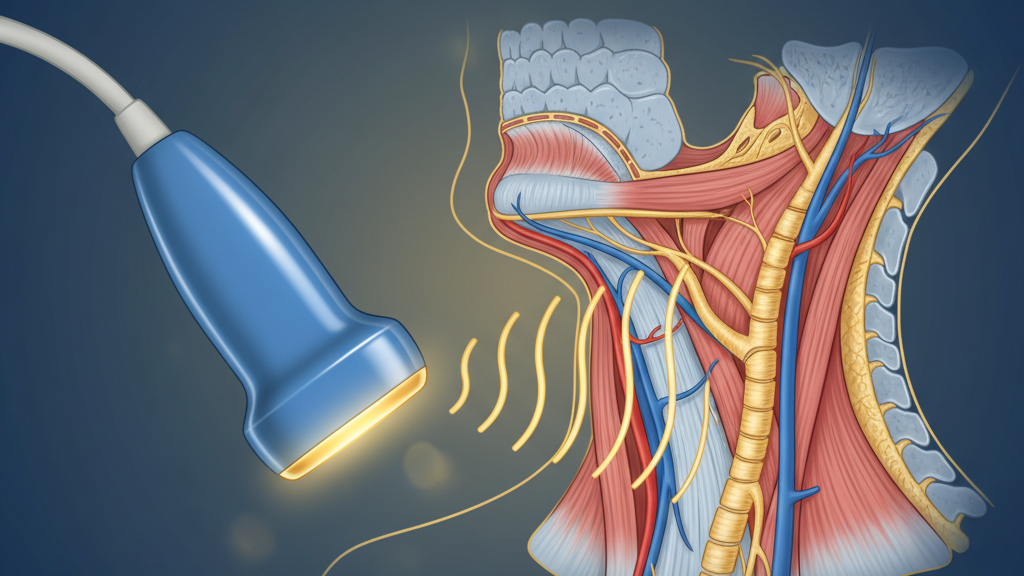
Low-intensity focused ultrasound can reliably excite or inhibit neurons through the skull, but the cellular mechanism remains unsettled — and the leading candidates point straight at the mechanosensitive cytoskeleton.
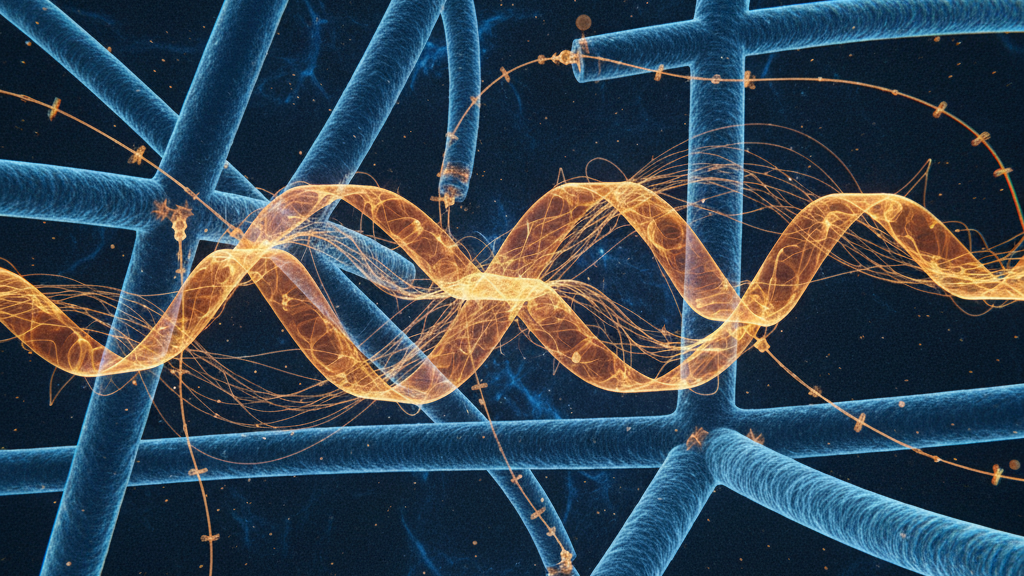
Tau is best known for forming the tangles in Alzheimer's disease — but its real day job is dynamically regulating microtubules. If microtubules support quantum-coherent processing, tau is the molecule that decides when, where, and how that coherence happens.
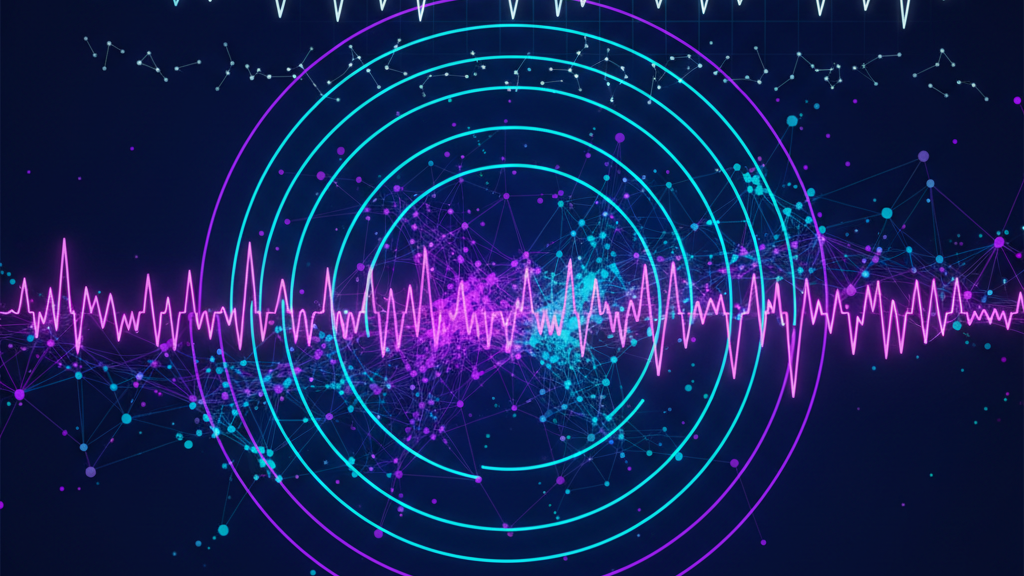
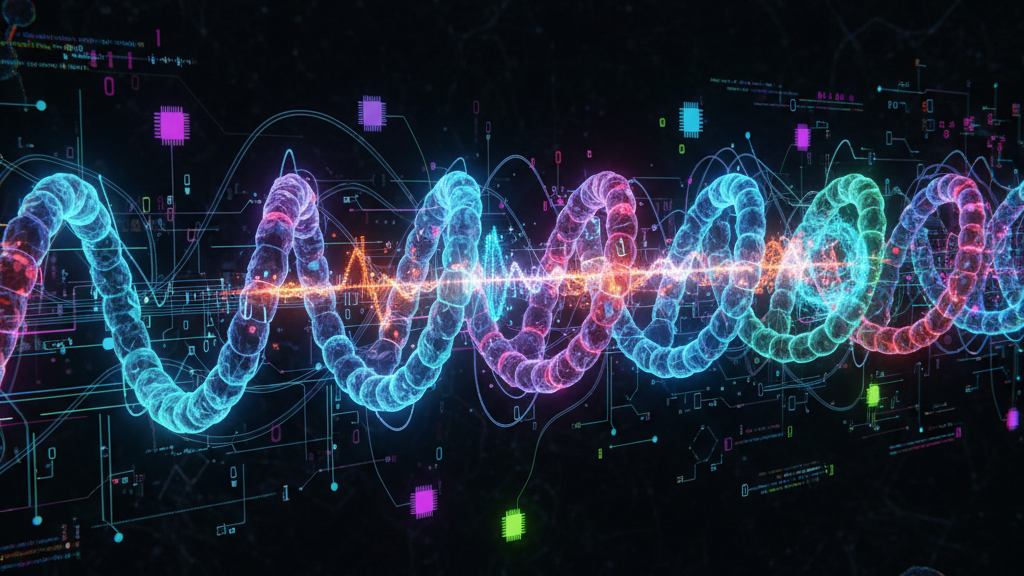
The 40 Hz gamma rhythm is one of the most consistent neural correlates of conscious awareness. Orch-OR predicts exactly that frequency from quantum first principles — and that coincidence may not be a coincidence.
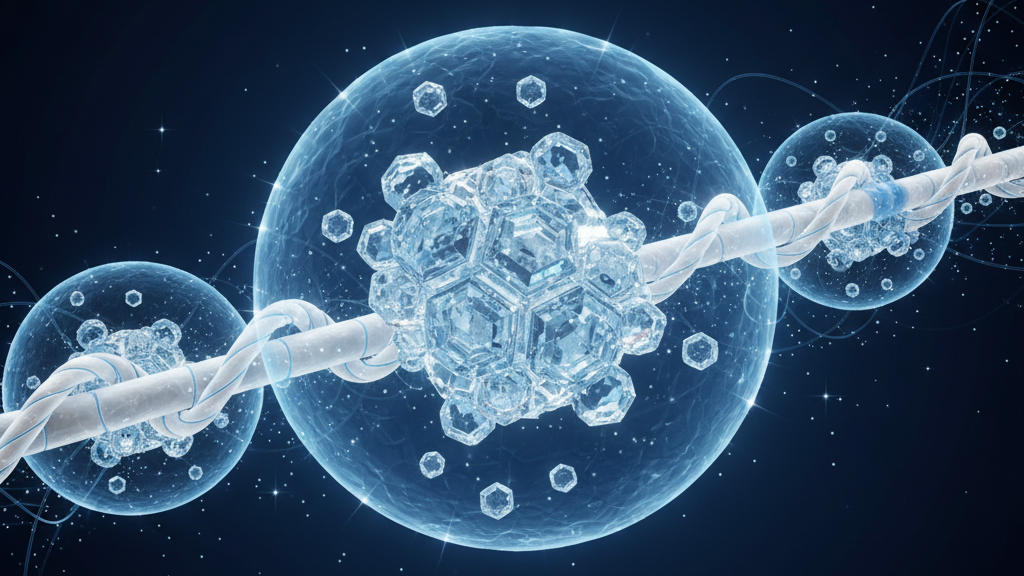
Water near charged biological surfaces forms an ordered, gel-like layer with surprising electrical and optical properties. Around microtubules, this 'fourth phase' of water may be exactly the shielding required for quantum effects to survive in a warm brain.
General anesthetics share almost nothing chemically except their effect: they reliably switch off consciousness while leaving most other neural activity running. The simplest theory that explains this convergence puts the action inside microtubules.
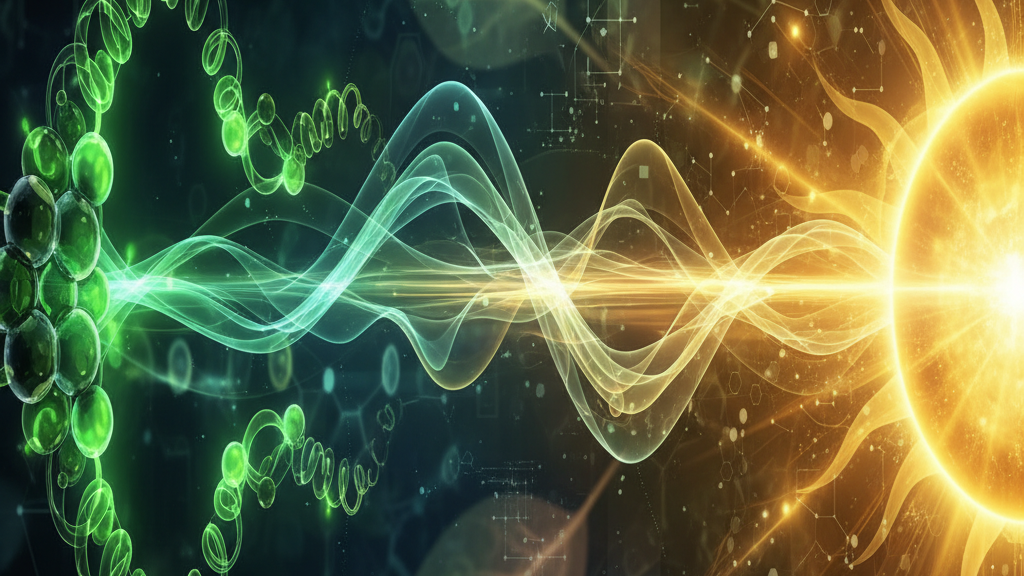
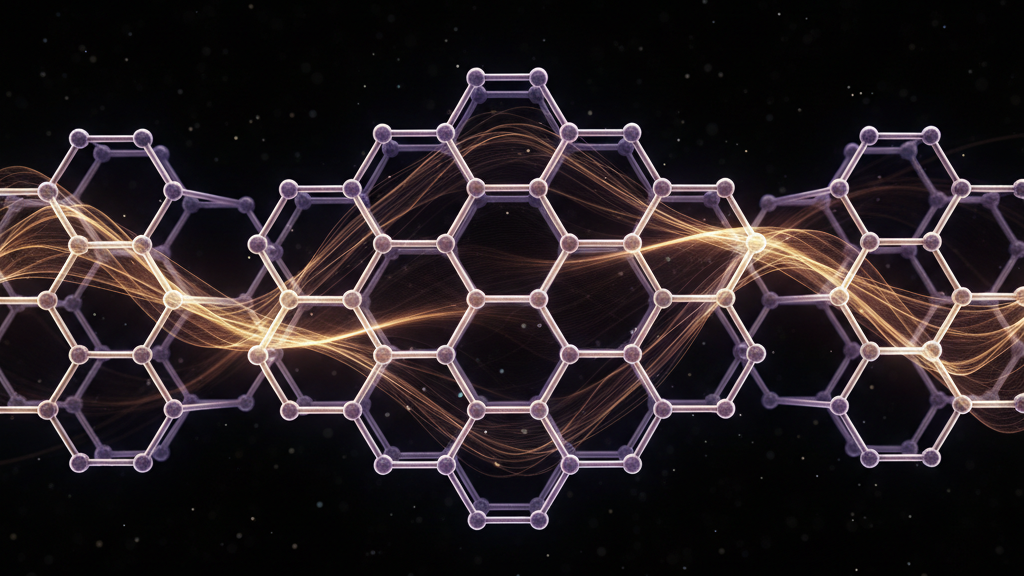
Plants use quantum coherence to harvest sunlight at room temperature with near-perfect efficiency. The protein scaffolding that makes this possible offers a concrete blueprint for how microtubules might do the same job in your brain.
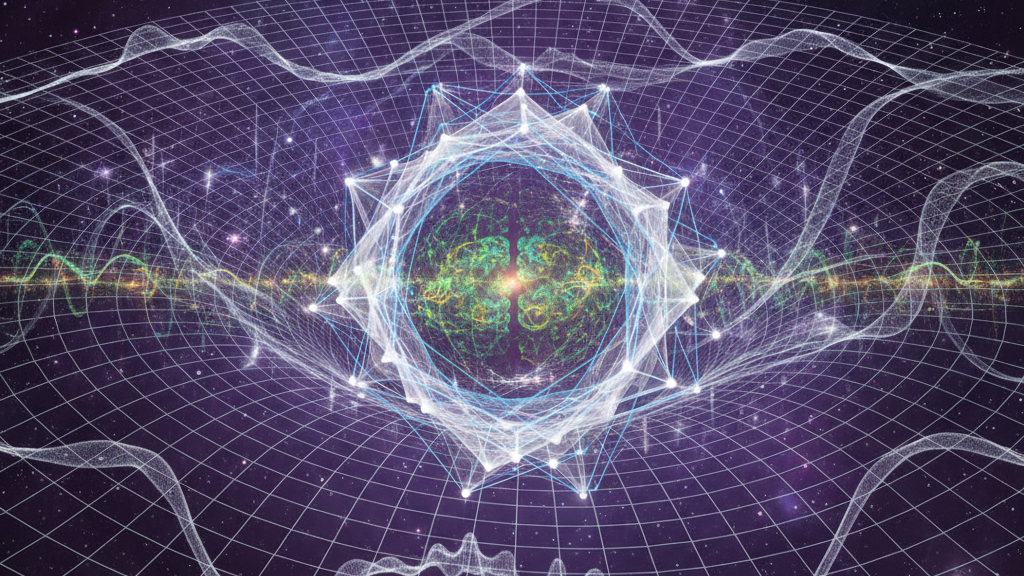
Classical neuroscience can describe how the brain processes information, but it cannot explain why that processing feels like anything from the inside. Penrose's argument is that closing this gap requires non-computable physics — and quantum gravity is the only candidate we have.
The vagus nerve carries signals between brain and body through some of the most microtubule-rich axons in the human nervous system. Combining focused ultrasound with vagal stimulation may be the most direct intervention we have for restoring system-wide neural coherence.
The standard 'point neuron' model treats each neuron as a single processing unit. Inside every real neuron, however, are roughly ten million tubulin molecules — a dense computational substrate that classical neural-network models entirely ignore.
Why does time flow in only one direction? Penrose's Weyl curvature hypothesis traces the answer to the unusually low entropy of the Big Bang — and links the arrow of time directly to the physical mechanism behind conscious experience.
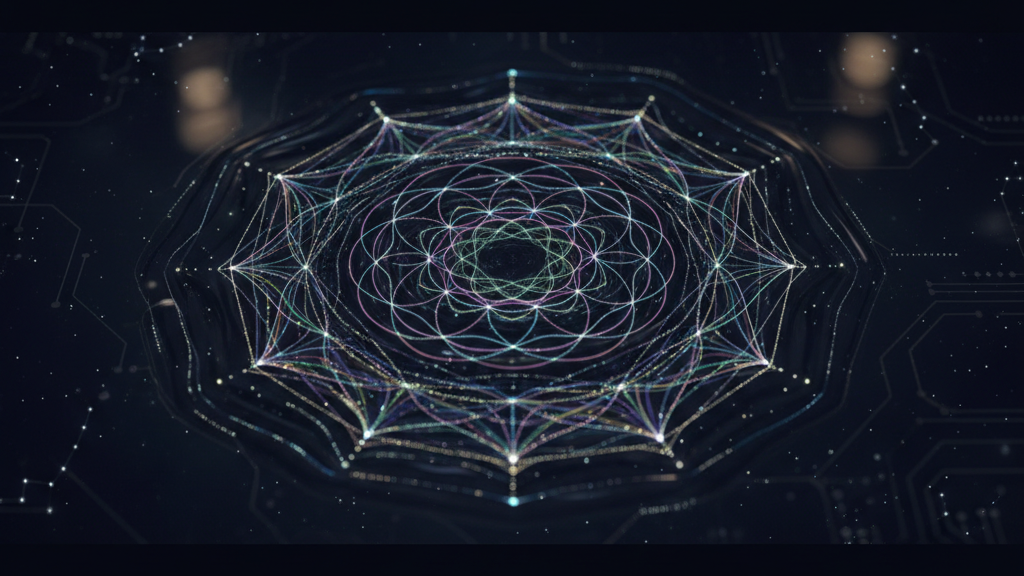
Sound and vibration have shaped contemplative practice for thousands of years. Cymatics shows directly how frequency creates geometric structure in matter — and microtubule lattices have exactly the dimensions required to resonate with specific therapeutic frequencies.
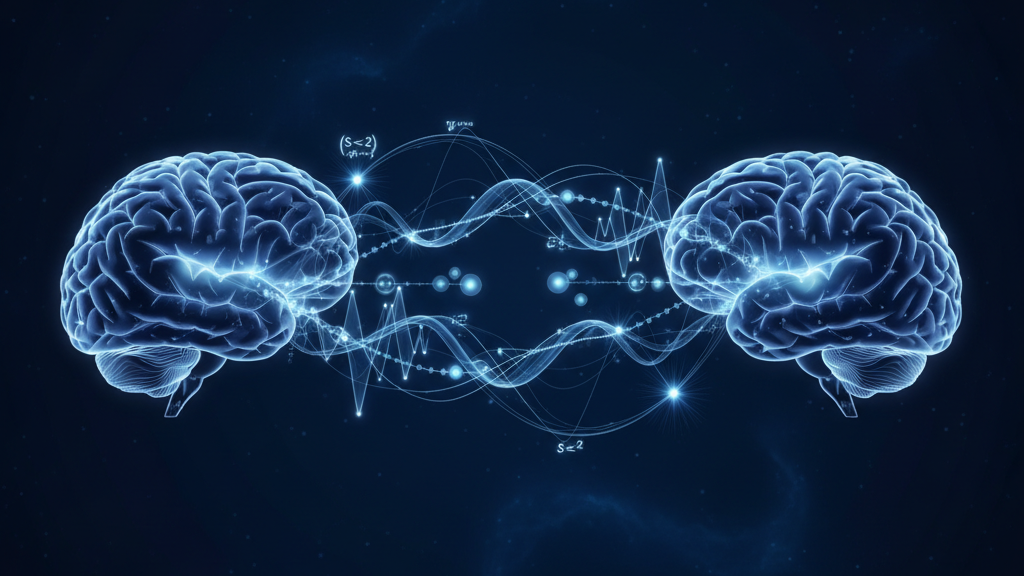
If microtubules sustain quantum-coherent states, the question of whether such states can become entangled across distinct brains is no longer pure speculation. The mechanism is contested, but the experimental program is well-defined and the early data are intriguing.
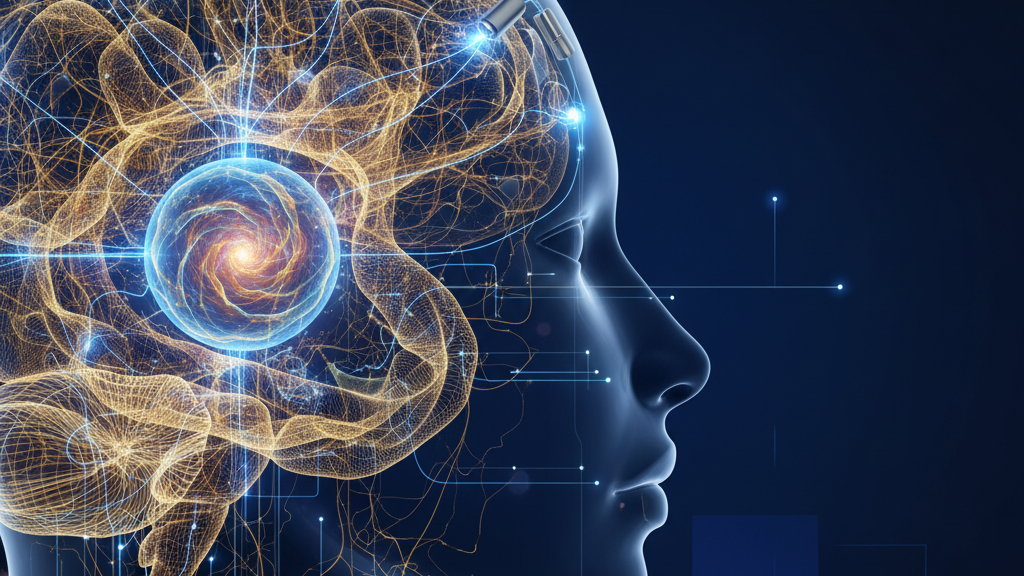
EEG measures classical electrical fields from synchronized neural activity. The challenge — and the opportunity — is whether the same recording technology can be made sensitive to quantum-scale events occurring in microtubules.