Ultra Skool Blog

Posts tagged "hrv"

Browse articles in this category

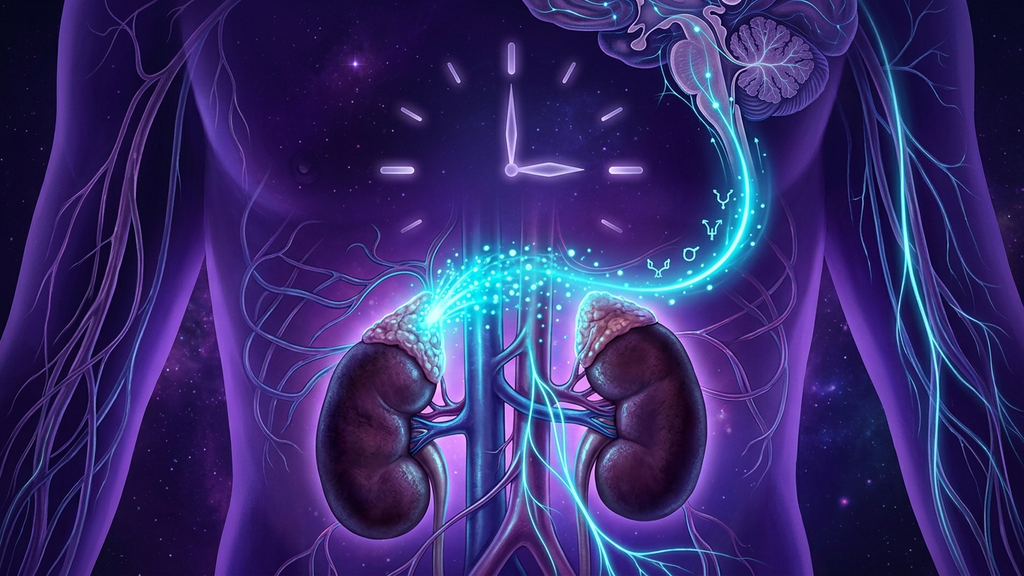
Adrenaline Dumps at 3 AM: The Nocturnal Autonomic Surge That Isn't in Your Head
vagus nerve autonomic nervous system dysautonomia

Adrenaline Dumps at 3 AM: The Nocturnal Autonomic Surge That Isn't in Your Head

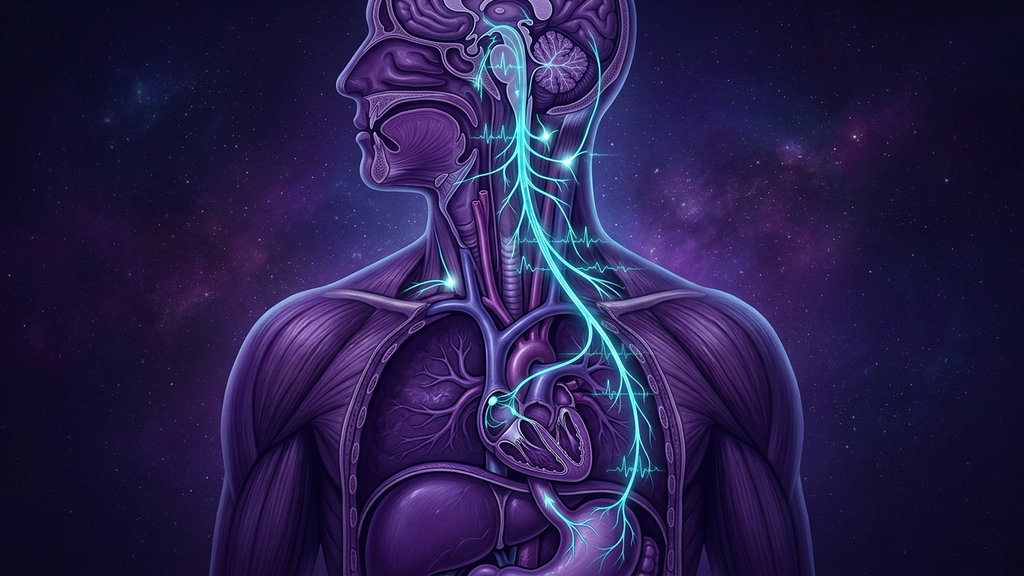
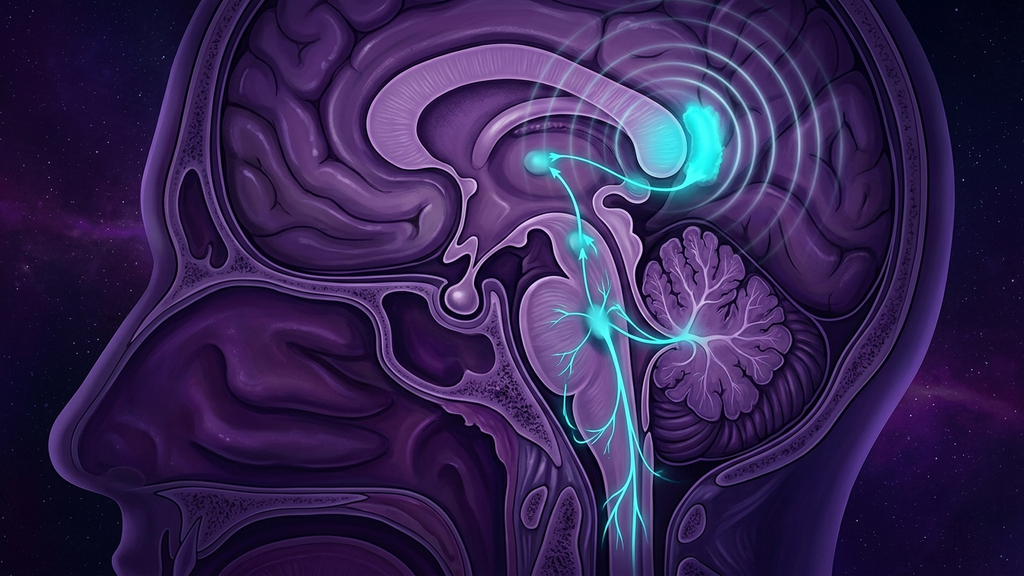
Waking at 3 AM with a pounding heart and a wave of dread you cannot explain is not a character flaw or free-floating anxiety. It is a predictable collision of cortisol timing, a blood-sugar dip, and a vagus nerve that goes quiet at exactly the wrong hour.

By UltraSkool Research Team Jul 22, 2026
The Vagus and Your Metabolic Rate: How Autonomic Tone Sets Your Baseline Burn
vagus nerve metabolic health autonomic nervous system

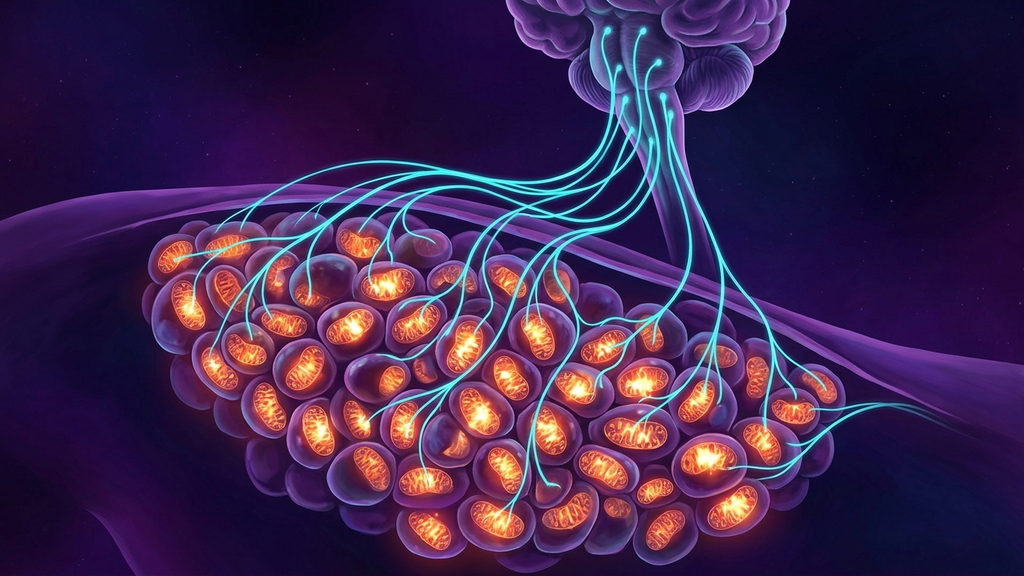
The Vagus and Your Metabolic Rate: How Autonomic Tone Sets Your Baseline Burn

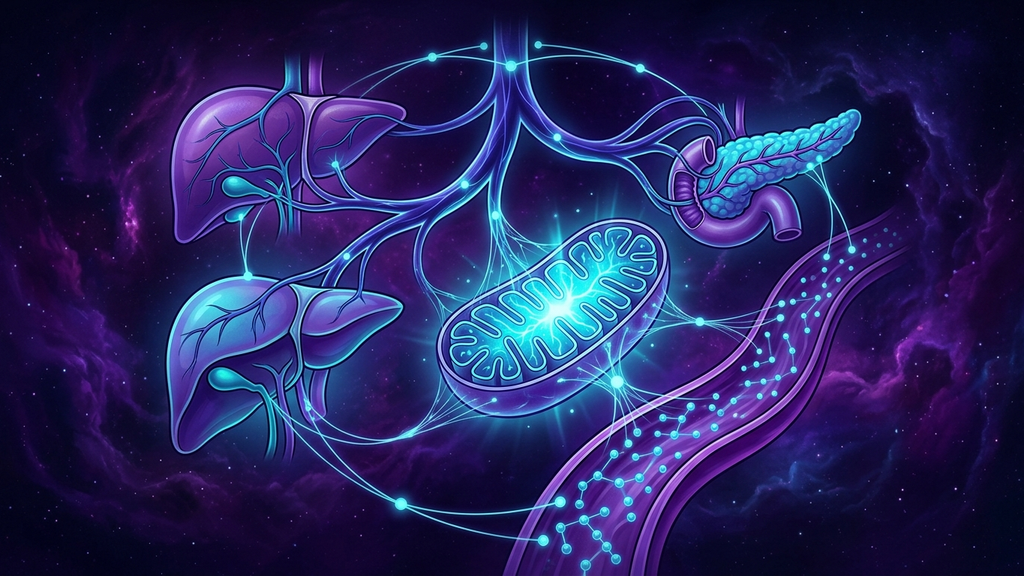
The patient who is wired, cold-handed, and cannot lose weight despite doing everything right is rarely fighting a broken thyroid. She is fighting an autonomic thermostat stuck in the wrong mode, and the vagus nerve is what sets that mode.

By UltraSkool Research Team Jul 22, 2026
HRV as Braking Efficiency: What Heart Rate Variability Actually Measures
vagus nerve hrv baroreflex

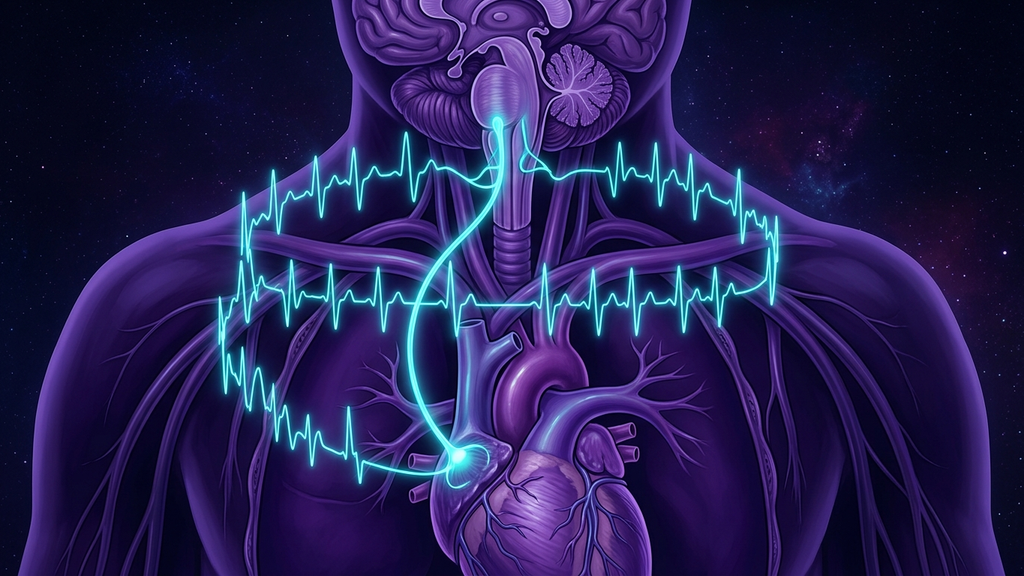
HRV as Braking Efficiency: What Heart Rate Variability Actually Measures

The wearable market sells HRV as a calm-meter. Physiologically it is closer to a brake test. Higher variability means a faster, more responsive vagal brake on the heart — not a serene mind, and the distinction changes how you read every number.

By UltraSkool Research Team Jul 22, 2026
Right Vagus, Left Vagus: The Cardiac Asymmetry Behind Palpitations and POTS
vagus nerve pots dysautonomia

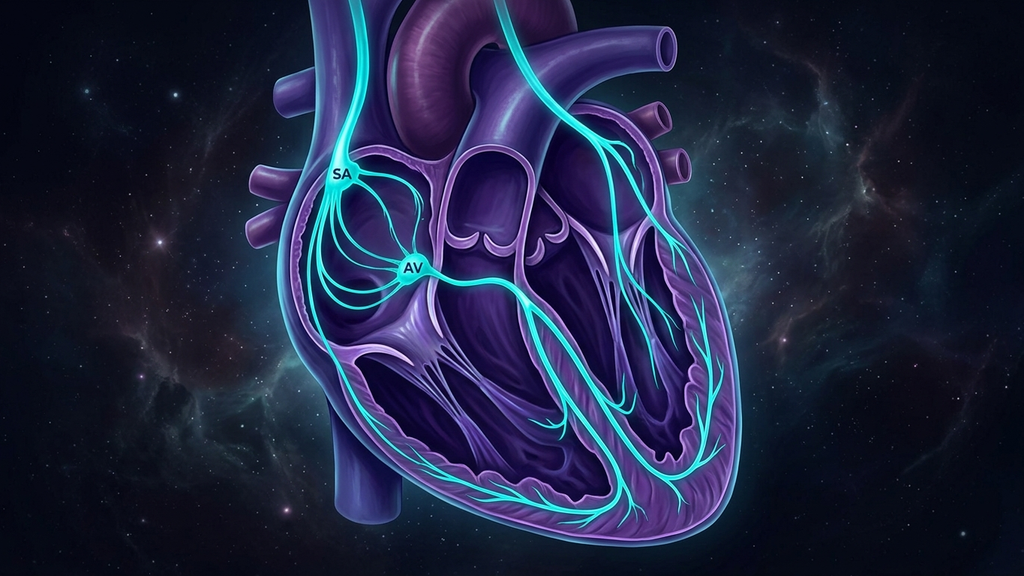
Right Vagus, Left Vagus: The Cardiac Asymmetry Behind Palpitations and POTS

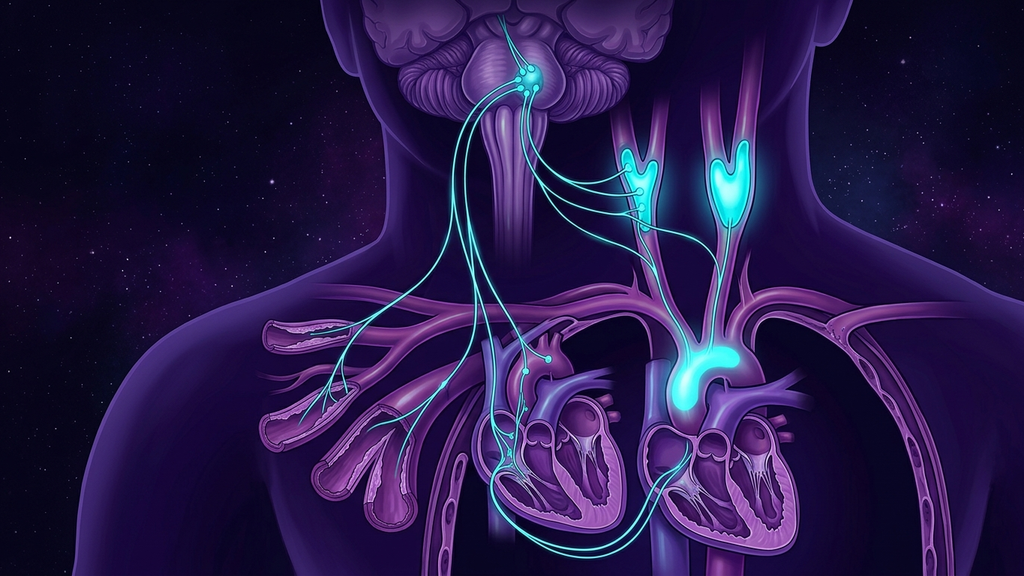
The two vagus nerves are not mirror images at the heart. The right mostly brakes the pacemaker; the left mostly brakes the electrical relay. That division of labor explains why some hearts race and others stumble — and why the mechanical model calms patients.

By UltraSkool Research Team Jul 22, 2026
Polyvagal Theory, Reconsidered: What the Anatomy Actually Supports
vagus nerve autonomic nervous system interoception

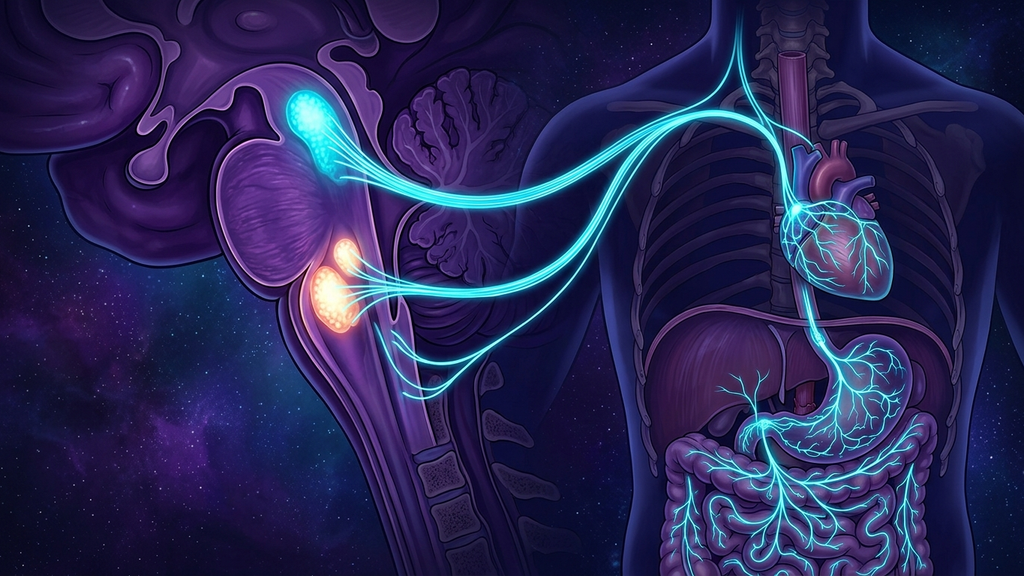
Polyvagal Theory, Reconsidered: What the Anatomy Actually Supports

Polyvagal theory gave a generation of practitioners a vocabulary for shutdown, freeze, and social safety. The question is which parts the anatomy actually backs. Here is a clinician-level audit — what holds, what is contested, and how to use it honestly.

By UltraSkool Research Team Jul 22, 2026
80% Afferent: Why Your Body Does Far More Talking Than Your Brain
vagus nerve interoception autonomic nervous system

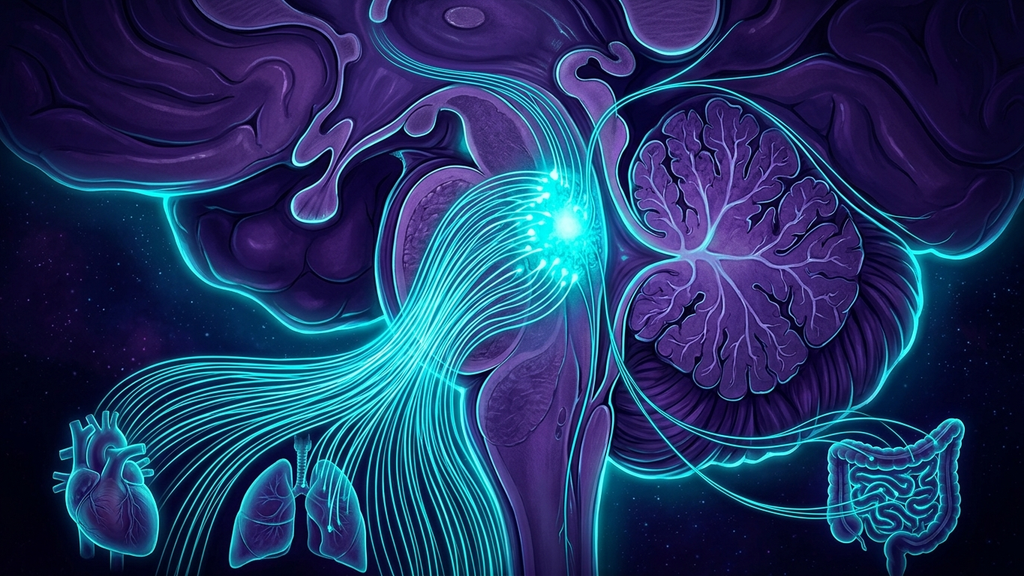
80% Afferent: Why Your Body Does Far More Talking Than Your Brain

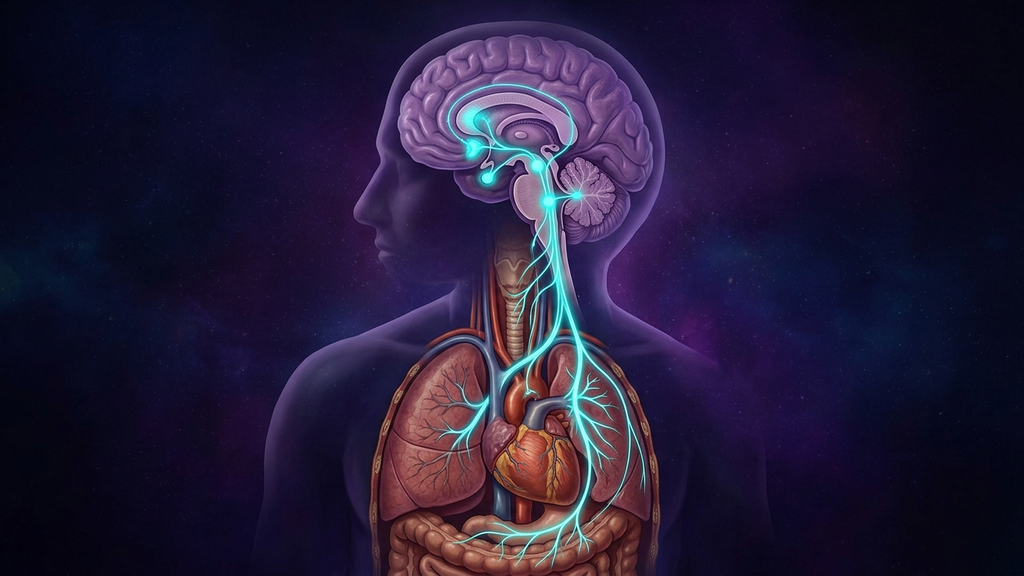
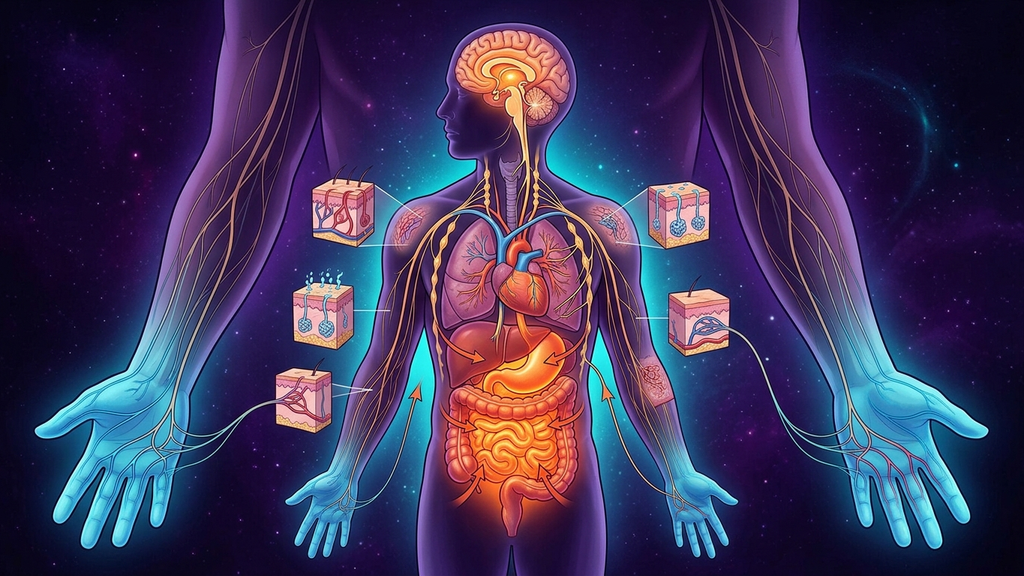
We picture the vagus nerve as a command line from brain to body. But roughly 80% of its fibers run the other way, carrying the body's report upstream. That single ratio rewrites what anxiety, dread, and 'feeling off' actually are.

By UltraSkool Research Team Jul 22, 2026
Air Hunger: Why You Can't Get a Full Breath When Your Oxygen Is Perfect
vagus nerve dysautonomia long covid

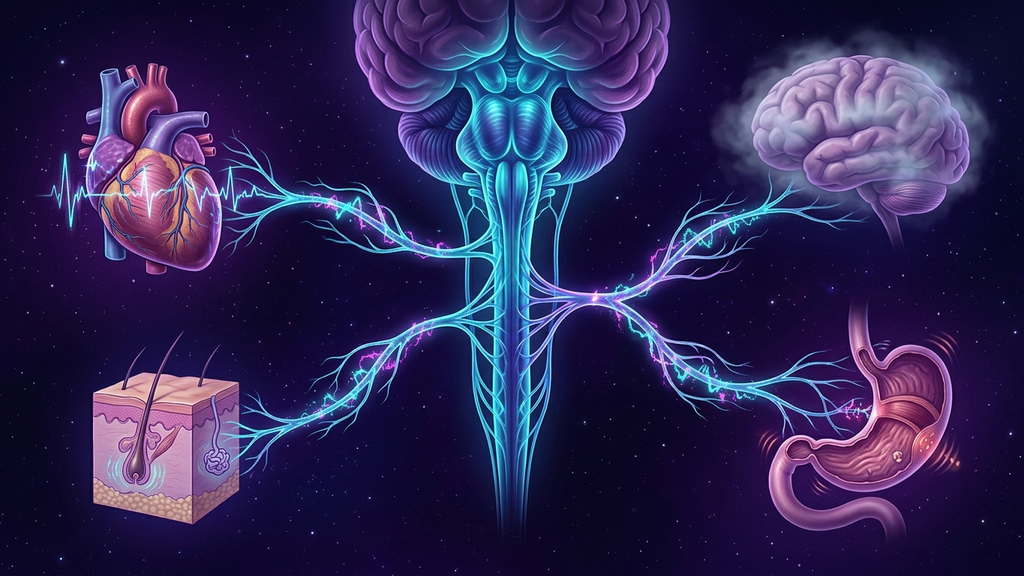
Air Hunger: Why You Can't Get a Full Breath When Your Oxygen Is Perfect

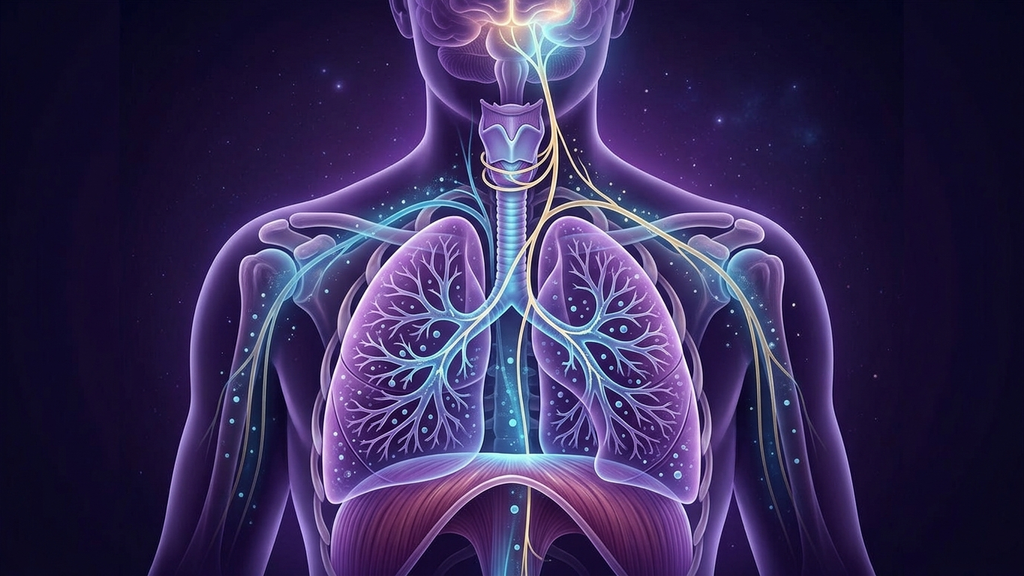
Air hunger is almost never a lung problem. It is a vagal-interoceptive miscalibration — your brain generating the sensation of suffocation from perfectly oxygenated blood. The harder you breathe, the worse it gets.

By UltraSkool Research Team Jul 11, 2026
Perimenopause as an Autonomic Event: Why Estrogen Withdrawal Reads as Vagal Withdrawal
vagus nerve perimenopause autonomic nervous system

Perimenopause as an Autonomic Event: Why Estrogen Withdrawal Reads as Vagal Withdrawal

We keep telling midlife women their palpitations, air hunger, and 3am panic are "just hormones" or "just anxiety." The truer frame is that estrogen was quietly propping up the vagus nerve — and its withdrawal is an autonomic event, not only an endocrine one.

By UltraSkool Research Team Jul 11, 2026