When Blood Pressure Drops: A Cellular Energy Story
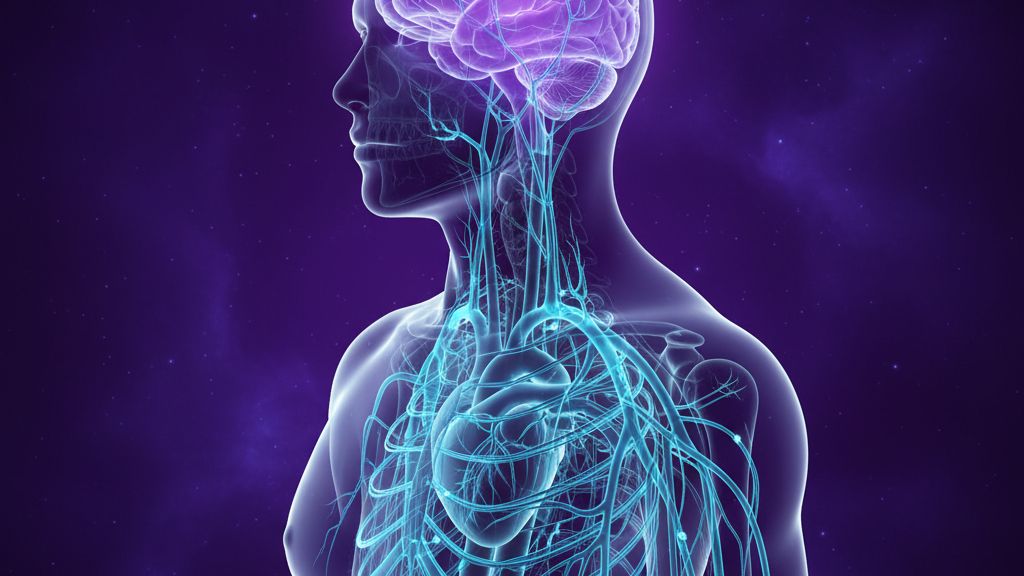
A patient stands up, the room dims at the edges, the heart races, and they catch themselves on a counter. By the time they reach the clinic, the orthostatic vitals are normal. The standard workup is unrevealing. They are told it is "just dehydration." It is rarely just dehydration.
The Quick Differential
True orthostatic hypotension is defined as a sustained drop of 20 mmHg systolic or 10 mmHg diastolic within three minutes of standing. But many patients have transient drops, pulse-pressure narrowing, or POTS-like reflex tachycardia that the standing-vitals window misses entirely. The 10-minute NASA lean test catches more.
The Bioenergetic Layer
Maintaining blood pressure on standing is metabolically expensive. The autonomic neurons that drive vasoconstriction, the cardiac muscle that augments output, and the smooth muscle in vessel walls all need ATP to perform on demand. When mitochondrial function is compromised — by post-viral states, chronic stress, or micronutrient depletion — the autonomic compensation arrives late or undershoots.
What I Look For
- Iron status — low ferritin is one of the most common reversible drivers
- Vitamin B12 and methylmalonic acid
- Sodium and potassium
- Aldosterone and renin (rarely needed but useful in refractory cases)
- Plasma catecholamines supine and standing
- Mast cell markers if there is any urticaria, flushing, or GI symptoms
- Reverse T3 and full thyroid panel
The Intervention Layers
Volume and Salt
Increased fluid intake to two to three liters daily, with liberal sodium. Compression garments to the abdomen if tolerated.
Conditioning
The Levine protocol — graded recumbent and upright training over months — is foundational for many patients. The mechanism is partly increased blood volume, partly cardiac remodeling, partly mitochondrial adaptation.
Mitochondrial Cofactor Support
CoQ10, magnesium, B-complex. Address iron deficiency aggressively. L-carnitine in selected cases.
Autonomic Recalibration
Slow breathing, vagal tone work, and cautious reintroduction of stress capacity. Non-invasive vagal stimulation including ultrasound-based methods is being explored in this population.
Pharmacologic Options When Needed
Midodrine, fludrocortisone, and pyridostigmine each have a role in refractory cases. The goal is bridge therapy while the underlying cellular machinery rebuilds.
Clinical pearl: Dizziness on standing in an otherwise healthy patient is rarely "just dehydration." It is usually a signal that the autonomic system is working with a depleted energy budget.
References
- Freeman R et al. "Consensus statement on the definition of orthostatic hypotension, neurally mediated syncope and the postural tachycardia syndrome." Clinical Autonomic Research, 2011;21(2):69-72.
- Fu Q, Levine BD. "Exercise and non-pharmacological treatment of POTS." Autonomic Neuroscience, 2018;215:20-27.
- Stewart JM. "Common syndromes of orthostatic intolerance." Pediatrics, 2013;131(5):968-980.