Synaptic Plasticity: How the Brain Actually Rewires
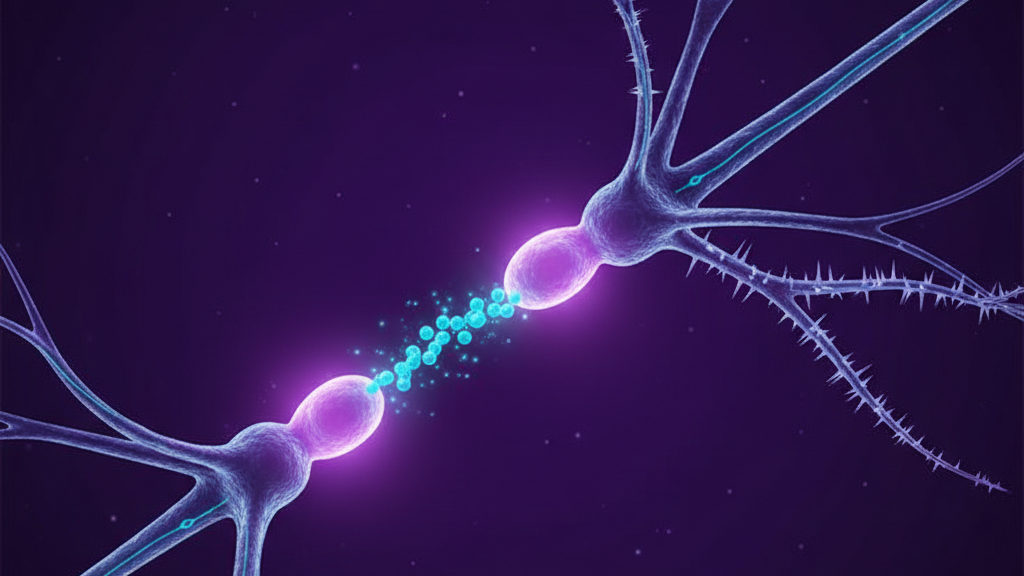
"Neurons that fire together wire together" is true and almost useless. The actual rules of synaptic plasticity are specific, the molecular machinery is identifiable, and once you understand it, you can support it deliberately.
What Synaptic Plasticity Actually Is
Synaptic plasticity is the persistent change in the strength of connections between neurons in response to activity. The two best-characterized forms are long-term potentiation (LTP) and long-term depression (LTD). Both depend on calcium influx through NMDA receptors, downstream signaling cascades involving CaMKII and protein kinase A, and ultimately changes in AMPA receptor trafficking and gene expression.
The Energy Cost
Plasticity is metabolically expensive. Building new synapses, trafficking receptors, and synthesizing the proteins required for stable change all draw heavily on cellular ATP. This is one of the reasons sleep, nutrition, and metabolic health are not separate from cognitive function — they are the substrate that makes cognitive function possible.
The Conditions That Enable Plasticity
Sleep, Specifically
Sleep is when synaptic remodeling is consolidated. REM sleep selectively strengthens emotionally significant connections. Deep slow-wave sleep is when synaptic homeostasis happens. Both are necessary.
Aerobic Exercise
Exercise upregulates BDNF — brain-derived neurotrophic factor — which is the master enabler of synaptic plasticity. Zone-2 cardiovascular work is the most reliably studied stimulus.
Novelty Combined with Effort
Plasticity is selectively recruited by tasks that are unfamiliar and challenging. Repetition of mastered skills produces little plasticity. Effortful learning at the edge of competence produces a lot.
Spaced Repetition
Multiple short exposures separated by intervals produce more durable change than long massed practice. The molecular basis is in the protein synthesis windows that follow each learning event.
Emotional Salience
Norepinephrine release, modulated by the locus coeruleus, gates plasticity. Material that matters is material that gets encoded. This is exploitable but also explains why trauma is so durably learned.
The Microtubule Layer
Synaptic remodeling requires the cytoskeleton — and microtubules are central to that machinery. Cargo transport, spine stabilization, and structural plasticity all depend on functional microtubule dynamics. This is one place where the microtubule story is well-grounded rather than speculative.
The New-Medicine Tools
Several modalities appear to support plasticity directly:
- Transcranial focused ultrasound — modulates neural activity in target circuits and may open plasticity windows
- Repetitive transcranial magnetic stimulation — induces LTP-like or LTD-like changes depending on protocol
- Photobiomodulation — supports the mitochondrial energy required for plasticity
- tDCS — modest but real effects when paired with deliberate practice
Clinical takeaway: Neuroplasticity is not a mindset. It is a physiological process with specific requirements. Meet those requirements and the brain rewires. Skip them and it does not.
References
- Bliss TVP, Collingridge GL. "A synaptic model of memory: long-term potentiation in the hippocampus." Nature, 1993;361(6407):31-39.
- Cotman CW, Berchtold NC. "Exercise: a behavioral intervention to enhance brain health and plasticity." Trends in Neurosciences, 2002;25(6):295-301.
- Tononi G, Cirelli C. "Sleep and the Price of Plasticity." Neuron, 2014;81(1):12-34.