Migraine and Mitochondria: Powering Down the Pain
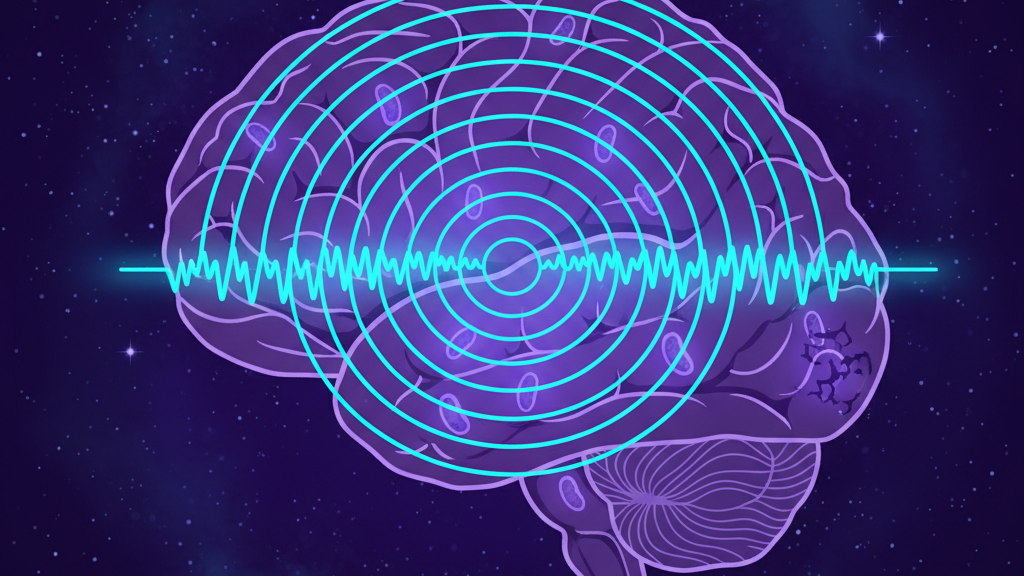
If you treat migraine patients, you have noticed the pattern: they report exhaustion before the headache, food and light sensitivity during, and a hangover-like state after. This is the signature of a brain that has run out of energy, not just a vascular event.
The Bioenergetic Model
Migraine brains, even between attacks, show consistent abnormalities in phosphorus magnetic resonance spectroscopy: reduced phosphocreatine, low ATP availability, and elevated ADP. The brain is operating with a smaller energy buffer. When demand spikes — from sleep loss, hormonal shifts, hypoglycemia, sensory overload — the system runs out of headroom and triggers the cascade we recognize as migraine.
What Triggers Make Sense Through This Lens
- Skipped meals — drop in glucose substrate
- Poor sleep — interrupted overnight mitochondrial repair
- Bright or flickering light — high cortical metabolic demand
- Menstrual cycle — estrogen drops affect mitochondrial function
- Dehydration — reduced cerebral perfusion compounds energy deficit
Cortical Spreading Depression
The current best mechanistic explanation for the migraine itself involves cortical spreading depression — a slow wave of depolarization across the cortex that draws down ATP and releases inflammatory mediators. CGRP elevation follows. Pain follows that. The new CGRP-targeted medications are useful but downstream of the root problem.
Mitochondrial Interventions with Evidence
- Riboflavin (B2), 400 mg daily — supports complex I and II of the electron transport chain. Multiple RCTs show benefit.
- CoQ10, 100 mg three times daily — supports the electron transport chain directly. Evidence in pediatric and adult migraine.
- Magnesium, 400–600 mg daily — cofactor for ATP synthesis; deficiency strongly associated with migraine.
- Alpha-lipoic acid, 600 mg daily — additional mitochondrial cofactor with preliminary evidence.
- Steady glucose intake — protein-containing breakfast within an hour of waking, no extended fasts during high-vulnerability periods.
The New-Medicine Layer
Several non-pharmacologic interventions are now clinically reasonable:
- Non-invasive vagal stimulation — FDA-cleared for acute migraine treatment and prevention
- Single-pulse transcranial magnetic stimulation — also FDA-cleared, effective for acute attacks with aura
- Focused ultrasound — investigational for refractory migraine, with promising early signals
- Photobiomodulation applied to the head — supports cortical mitochondrial function
Patient education: Migraine is a brain that runs hot and runs out of fuel. Build the fuel reserves and protect the buffers, and the attack rate falls.
References
- Welch KMA. "Brain hyperexcitability: the basis for antiepileptic drugs in migraine prevention." Headache, 2005;45 Suppl 1:S25-S32.
- Reyngoudt H et al. "Magnetic resonance spectroscopy in migraine: what have we learned so far?" Cephalalgia, 2012;32(11):845-859.
- Schoenen J et al. "Effectiveness of high-dose riboflavin in migraine prophylaxis." Neurology, 1998;50(2):466-470.
- Sandor PS et al. "Efficacy of coenzyme Q10 in migraine prophylaxis." Neurology, 2005;64(4):713-715.