Fasting for Mitochondrial Renewal: Mitophagy, Autophagy, and Why It Works
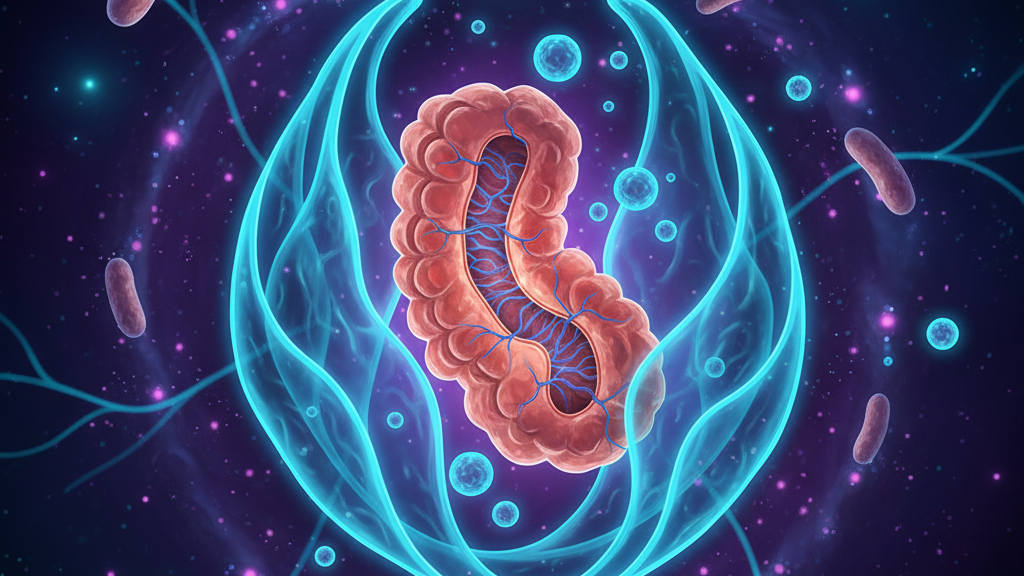
The popular discussion of fasting tends toward weight loss. The more interesting story is what happens to your mitochondria when you stop eating for long enough.
The Cellular Housekeeping System
Every cell in your body has a quality-control system called autophagy — literally "self-eating." Damaged organelles, misfolded proteins, and cellular debris are tagged, surrounded by a membrane, and broken down for recycling. The mitochondrial-specific version, mitophagy, removes damaged mitochondria before they can release inflammatory contents and amplify oxidative stress.
Why Fasting Triggers This
The autophagy pathway is regulated by nutrient sensors. When fed, mTOR (mechanistic target of rapamycin) is active, autophagy is suppressed, and the cell prioritizes growth and protein synthesis. When fasted, mTOR drops, AMP-activated protein kinase (AMPK) rises, and autophagy is upregulated. The cell shifts from building mode to cleaning mode.
The Time Course
Significant autophagy upregulation in humans appears to begin around 16–18 hours of fasting and intensifies through 24–48 hours. Time-restricted eating windows of 14–16 hours produce meaningful effects. Longer fasts of 48–72 hours produce more, with diminishing returns and increasing risk.
What This Does for Mitochondria
- Removes damaged mitochondria before they accumulate
- Stimulates mitochondrial biogenesis through PGC-1α
- Increases mitochondrial efficiency (more ATP per oxygen consumed)
- Reduces oxidative stress
- Improves insulin sensitivity
- Triggers metabolic switching toward fat oxidation and ketone production
Practical Application
Time-Restricted Eating
A 14- to 16-hour overnight fast is achievable for most patients. Eat dinner by 7 PM, breakfast at 9 or 10 AM. The metabolic benefits accrue over weeks.
Extended Fasts
A 24-hour fast once weekly produces stronger autophagy signaling. A 48–72 hour fast quarterly is the more aggressive protocol, with a more substantial cellular reset, and more potential downside. This should be done with medical supervision in patients with any underlying conditions.
Fasting-Mimicking Approaches
Very low-calorie diets that approximate fasting metabolically while supplying minimal nutrition (Valter Longo's protocol) capture much of the cellular signaling benefit with somewhat less risk.
Who Should Not Fast
- Patients with active eating disorders
- Pregnant or lactating women
- Type 1 diabetics without close supervision
- Patients with adrenal insufficiency
- Underweight patients
- Patients on medications that require food
The Counterbalance
Refeeding matters. The post-fast meal is when cellular rebuilding accelerates. Quality protein, mineral repletion, and avoidance of glycemic spikes turn the cleanup phase into a true renewal cycle. Skipping this step squanders the benefit.
The principle: Cells are not designed for continuous feeding. They need scheduled downtime to clean house. Fasting reintroduces a signal the genome has expected for most of evolutionary history.
References
- de Cabo R, Mattson MP. "Effects of Intermittent Fasting on Health, Aging, and Disease." NEJM, 2019;381(26):2541-2551.
- Mizushima N, Komatsu M. "Autophagy: renovation of cells and tissues." Cell, 2011;147(4):728-741.
- Mattson MP et al. "Impact of intermittent fasting on health and disease processes." Ageing Research Reviews, 2017;39:46-58.
- Longo VD, Mattson MP. "Fasting: molecular mechanisms and clinical applications." Cell Metabolism, 2014;19(2):181-192.