Depression as a Mitochondrial Disease: An Emerging Reframe
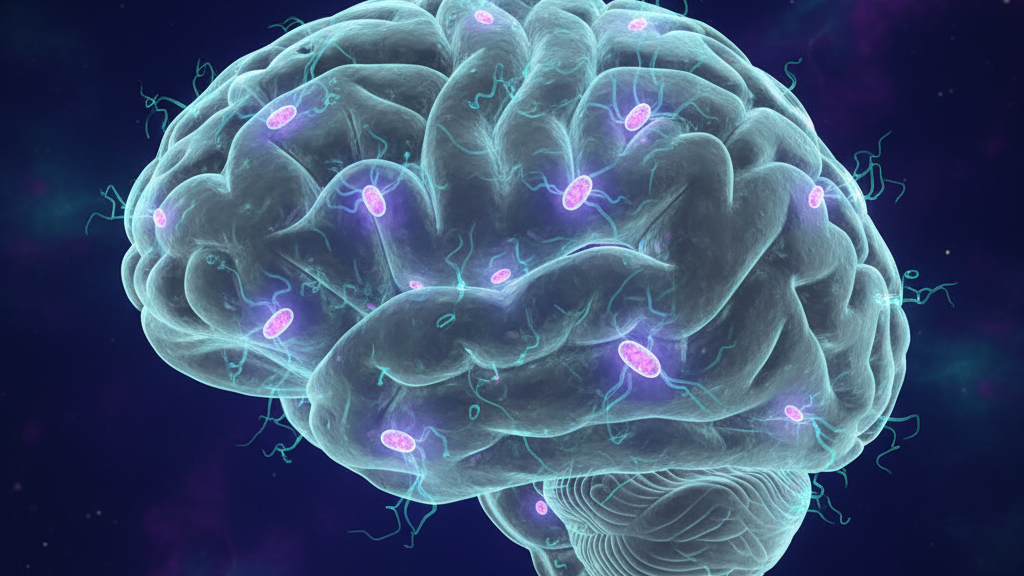
When patients ask why their depression has not responded to a third or fourth medication trial, the honest answer is sometimes that we have been pulling the wrong lever. The neurotransmitter model of depression has been productive but partial. A more complete picture is emerging: in many depressed patients, the underlying problem is impaired cellular energy production.
What the Research Now Shows
Studies in postmortem brain tissue, peripheral blood mononuclear cells, and live-imaging studies all converge on the same finding: people with major depressive disorder show measurable mitochondrial dysfunction — reduced ATP production, lower complex I and IV activity, increased oxidative stress, and altered mitochondrial membrane potential. This is true even in patients without overt metabolic disease.
The Bidirectional Loop
Here is what makes the mitochondrial model so clinically interesting: the relationship is bidirectional. Chronic stress damages mitochondria. Damaged mitochondria amplify the stress response. The result is a self-reinforcing loop that is hard to interrupt with talk therapy or SSRIs alone.
Markers Worth Tracking
- Lactate-to-pyruvate ratio (elevated suggests impaired oxidative metabolism)
- Heart rate variability (a non-invasive proxy for autonomic and metabolic flexibility)
- Resting heart rate (often elevated in mitochondrial dysfunction)
- Morning cortisol slope (flattened in chronic depression)
- Inflammatory markers — hs-CRP, IL-6 — which correlate with treatment-resistant depression
Interventions Aligned with the Mitochondrial Model
This reframe does not replace standard care; it expands it. Among the additions that have at least preliminary evidence:
- Exercise — the most potent known stimulus for mitochondrial biogenesis. The antidepressant effect of zone-2 cardiovascular work is at least partially mediated through this pathway.
- Ketogenic protocols — under investigation for mood disorders, with a plausible mechanism through metabolic substrate switching and reduced inflammation.
- NAD+ precursors — early data on NMN and nicotinamide riboside in mood symptoms, though larger trials are needed.
- Photobiomodulation — transcranial near-infrared light, which appears to enhance cytochrome c oxidase activity.
- Focused ultrasound — early studies targeting subgenual cingulate and other depression-network nodes.
What This Means for the Patient
If a depressed patient also reports persistent fatigue, exercise intolerance, brain fog, and unrefreshing sleep, the mitochondrial workup is reasonable. Treating the cellular substrate often unlocks responsiveness to other therapies.
Clinical reframe: Depression is not always a disease of meaning. Sometimes it is a disease of metabolism wearing the costume of meaning.
References
- Allen J, Romay-Tallon R et al. "Mitochondria and Mood: Mitochondrial Dysfunction as a Key Player in the Manifestation of Depression." Frontiers in Neuroscience, 2018;12:386.
- Karabatsiakis A et al. "Mitochondrial respiration in peripheral blood mononuclear cells correlates with depressive subsymptoms." Translational Psychiatry, 2014;4:e397.
- Cao B et al. "Pharmacological interventions targeting anhedonia in patients with major depressive disorder." Progress in Neuro-Psychopharmacology & Biological Psychiatry, 2019;92:109-117.